Fire shutters are one of those things that sit there doing absolutely nothing for years on end. Most people walk past them every day without giving them a second thought. But when there’s a fire, they’re the difference between a contained incident and a building burning down.
If you own or manage a commercial building, understanding fire shutters isn’t just useful, it’s essential. Whether you’re doing up an old warehouse or planning something new, you need to know what they do and why they matter.
So, What Are They Exactly?
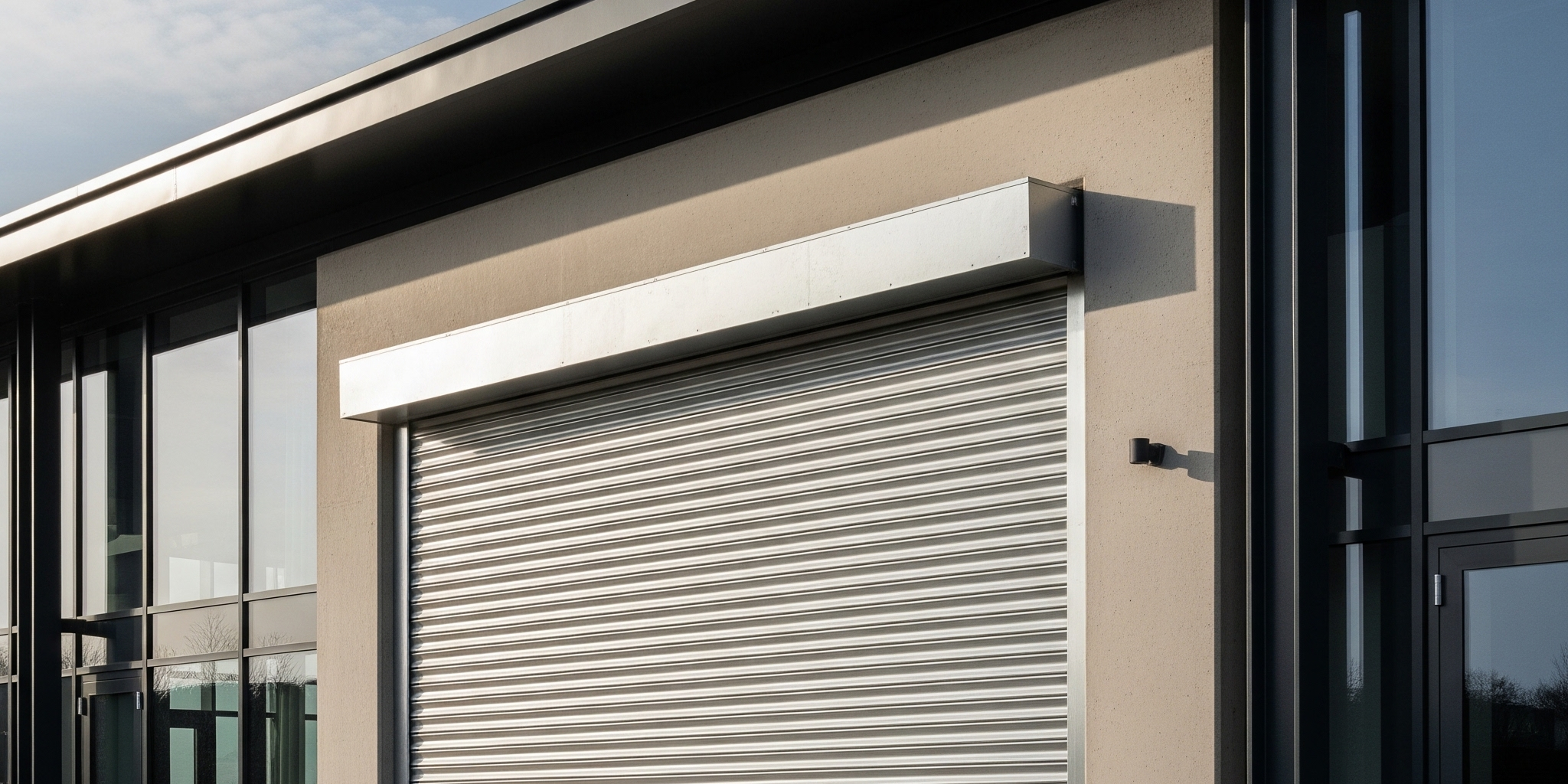
Fire shutters are basically roller shutters that close automatically when the fire alarm goes off. They’re not like the security shutters you see on shop fronts. These are built specifically to hold back fire and smoke for a set amount of time, usually anywhere from one to four hours depending on what rating they’ve got.
You’ll find them in places where you can’t have a standard fire door. Big warehouse openings, serving hatches in commercial kitchens, anywhere that needs regular access but also needs to stop fire spreading between different parts of the building. Most of the time they’re rolled up out of the way, but when that alarm sounds, down they come to seal off the opening.
They’re made from interlocking steel slats that can handle serious heat. The curtain runs in guide channels either side of the opening, and when it drops, it creates a seal that fire can’t get through. The systems these days are pretty reliable, and you can test them regularly without causing any hassle.
Why Bother with Them?
The whole point of fire safety design is compartmentation. Break your building into separate sections so if fire starts in one bit, it can’t tear through the whole place in minutes. Gives people time to get out and gives firefighters a chance to actually deal with it before it’s too late.
Walls and fire doors handle most of this, but what about when you need a massive opening that can’t have a door? A loading bay in a warehouse or a kitchen hatch in a busy restaurant. These openings are weak spots in your fire defences, and fire shutters plug those gaps.
UK building regulations don’t mess about when it comes to fire safety. Fire shutters aren’t something you install because you’re being extra careful. Half the time they’re legally required. If you’ve got openings in fire compartment walls, you need some way to close them off when there’s a fire, and shutters are usually the most sensible option.
Different Types for Different Jobs
Fire shutters aren’t all the same. What you need depends on how big the opening is, what fire rating you’re after, and what actually happens in that part of the building.
Insulated ones give better protection against heat and are used where the risk is higher or regulations demand it. Non-insulated shutters are lighter and can cover bigger openings, so they’re common in warehouses and factories. Some are designed to keep smoke out as well as fire, which matters because smoke kills more people than flames ever do.
Fire ratings tell you how long the shutter will hold. Sixty minutes means it’ll resist fire for an hour, 120 minutes gives you two hours, and so on. What rating you need comes down to your fire risk assessment and what building control says you need.
Getting Them Installed and Looked After
You can’t just bung a fire shutter up and hope for the best. They need installing by people who actually know what they’re doing and understand the regulations. Get it wrong and you’ve got a shutter that looks the part but won’t work when you need it.
Installation involves more than drilling a few holes. The structure around the opening has to be right, the guide channels need lining up perfectly, and the automatic release has to link into your fire alarm system. Everything gets tested and certified before it’s signed off.
After that, they need maintaining. Monthly checks and servicing every six months are pretty standard. Engineers test the drop mechanism, look for damage to the slats, make sure the channels are clear, and check the fire alarm connection works. Keeping records of all this matters for insurance and proving you’re meeting fire safety regulations.
Choosing What You Actually Need
Picking fire shutters isn’t about finding the cheapest option that technically meets the rules. It’s about understanding your building and getting something that’ll genuinely protect people and property. How the building’s used, how many people are in there, where the escape routes are, what your insurer requires, it all factors in.
Working with suppliers who know their stuff makes life much easier. They can assess your building and tell you what you actually need rather than just flogging you whatever they’ve got in stock. Fire shutters cost real money, but this isn’t the place to cut corners.